The Dark Truth Behind Amish Culture You’ve Never Heard Before
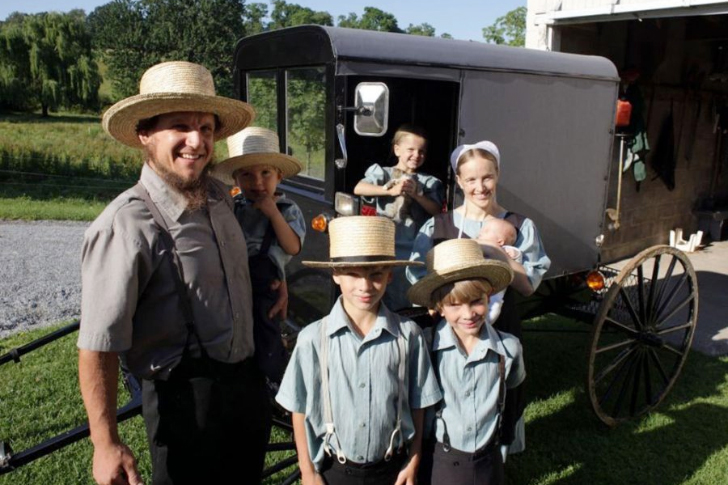
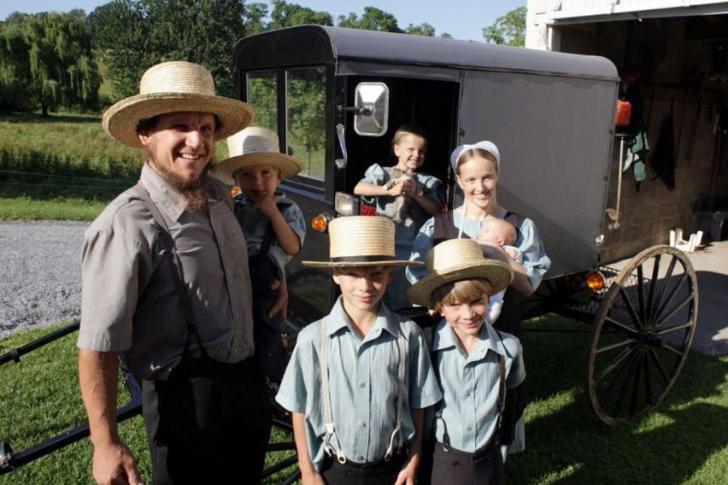
The Amish are instantly recognizable for their horse-and-buggies, modest clothes, and a lifestyle that looks frozen in time. Their roots date back to the late 1600s, when Jakob Ammann decided that faith meant living simply, without the trappings of modern life. Being a “closed community” doesn’t mean there’s a gate with a padlock; it means most Amish prefer to keep their world self-contained, passing down traditions while sidestepping outside distractions.
What’s fascinating is how their way of life gives a masterclass in saving money. They mend instead of tossing, cook instead of ordering in, and grow food instead of swiping plastic. It’s thrifty, practical, and surprisingly inspiring.
@@@@@
Skipping Social Security

It might sound wild, but self-employed Amish don’t pay Social Security taxes, and they don’t collect those benefits either. The reason? Their faith compels them to care for their own community rather than relying on government insurance.
This setup removes a recurring tax burden many of us carry. Without Social Security contributions, there’s more room in the budget for essentials. Plus, since they forgo these benefits permanently, there’s less temptation to depend on external aid. That fuels self-reliance. Of course, this makes communal support all the more essential—but when your neighbors and church take care of each other, financial responsibility becomes shared, not outsourced.
@@@@@
Why Outsiders Are Called “English”
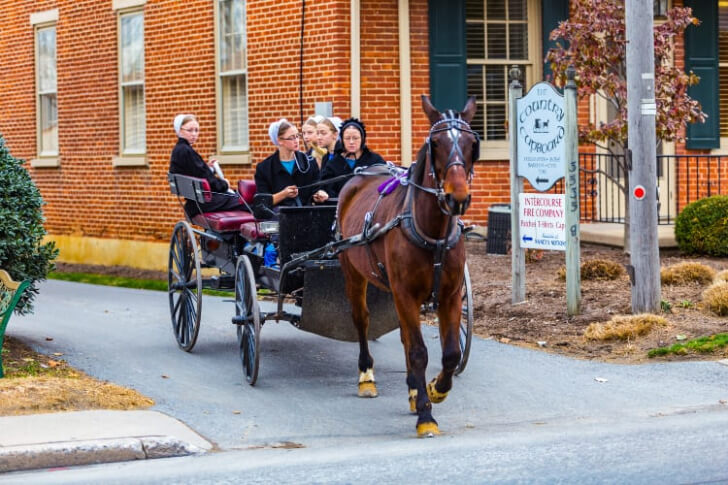
Being called “English” by the Amish doesn’t mean you’re from London or that you drink tea with scones. It’s their traditional word for anyone outside their community. The term dates back to colonial America, when German-speaking settlers, such as the Amish, needed a way to distinguish themselves from English-speaking colonists.
Over time, the label stuck, and now “English” simply means non-Amish, no matter your actual background. In some regions, you might even hear outsiders called “Yankees,” another nod to history. The practice isn’t an insult but a reminder of cultural boundaries, showing how the Amish maintain their identity while recognizing the world around them.
@@@@@
Handmade Toys

Every kid wants toys, but in Amish communities, those toys take on a slightly different look. Instead of plastic gadgets with blinking lights, children play with wooden blocks, rocking horses, doll cradles, marble runs, and sturdy pull toys. All of them are handmade by local craftsmen, built to last, and safe enough to pass down to the next generation. The reason is simple: durability and simplicity win over wasteful spending.
No batteries, no constant replacements, no chasing the latest trend. Families save money while kids learn to value creativity and imagination over gimmicks. It’s playtime that’s practical, affordable, and timeless.
@@@@@
Bartering Done Right
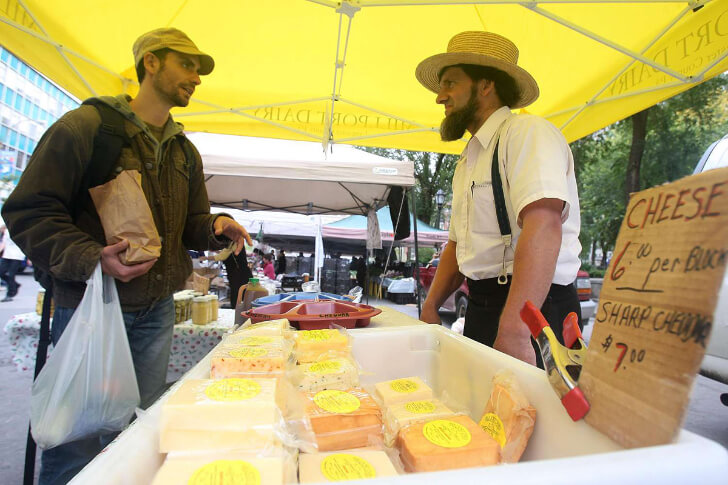
Paying cash for everything isn’t the only way to get things done in Amish communities. Instead, they often rely on bartering—a system in which goods and services are exchanged without money changing hands. A farmer might trade fresh produce for a neighbor’s carpentry skills, while another family exchanges quilting work for baked goods.
Everyone gets what they need, and no one racks up bills or interest payments. This approach keeps money circulating locally, reduces dependence on outside markets, and ensures that skills remain valuable currency. Bartering also builds trust and strengthens relationships, proving that a handshake and fairness can be just as powerful as cash.
@@@@@
Thrift Store Smarts
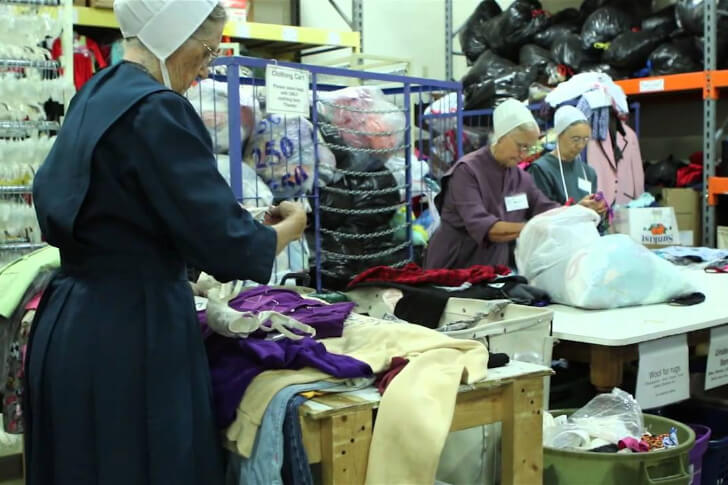
Second-hand shopping isn’t a side hustle trend here; it’s a built-in way of life. Clothing has to be simple and functional, so there’s no reason to chase after racks of pricey new outfits. By turning to thrift stores and resale shops, families find exactly what fits community guidelines without draining their wallets.
It’s practical, sustainable, and budget-friendly all at once. The lack of interest in ever-changing fashion means outfits last longer and cost far less. While everyone else is spending on fast fashion and seasonal upgrades, this approach quietly proves that second-hand style can be timeless and save a significant amount of money.
@@@@@
Small Business, Big Savings
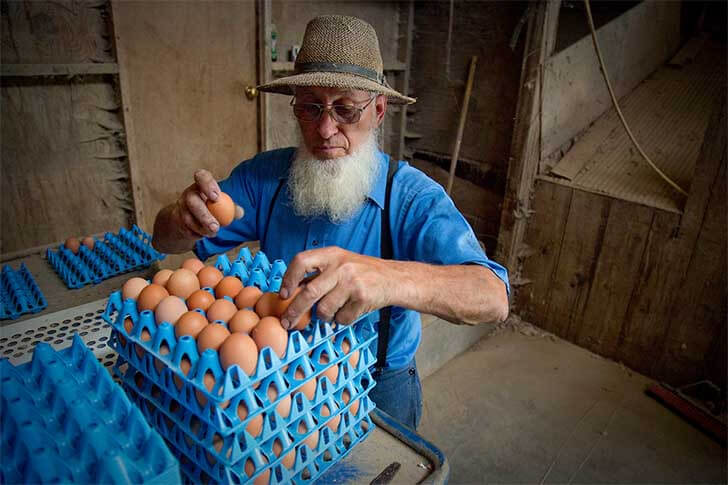
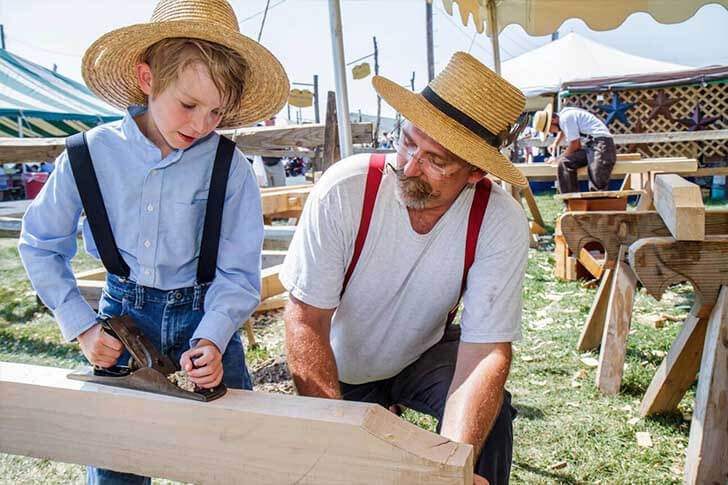
One reason small businesses thrive in Amish communities is that they keep things simple and cost-effective. Skilled trades, such as woodworking, metalwork, and construction, don’t rely on expensive storefronts or flashy advertising. Instead, quality craftsmanship and word of mouth do the heavy lifting. That’s why their businesses have a five-year survival rate of around 95%, compared to about 50% nationally.
Success also comes from community support; neighbors become loyal customers, loans are easier to secure, and trust runs deep. By focusing on skills, staying out of heavy debt, and avoiding unnecessary expenses, these businesses build a steady income and long-term stability that many modern startups can only envy.
@@@@@
Arranged Marriage? Not Quite

One of the biggest myths about Amish life is that marriages are arranged, but that simply isn’t true. Young people often meet at church events, community gatherings, or Sunday night singings, where friendships frequently develop into courtships. Dating is taken seriously, with the goal of marriage rather than casual fun.
When a couple decides to wed, the groom must ask the bishop for approval, confirming he’s in good standing with the church. Engagements are often kept quiet for a while before the big announcement. Weddings themselves are held at the bride’s home, complete with a day-long ceremony, hymns, and a communal feast. It’s a tradition rooted in choice, not arrangement.
@@@@@
No Credit Cards, No Regrets
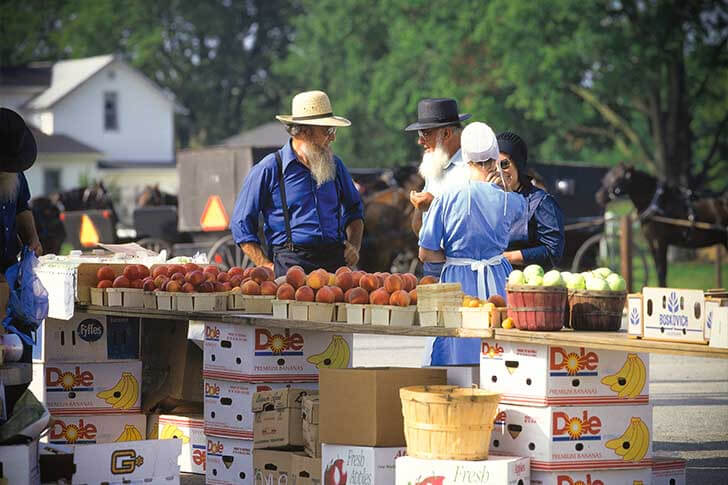
Credit card debt is a monster most of us battle, but in Amish life, it’s either slain or never invited. Due to their strict no-debt culture, credit cards are rare and are often viewed as risky tools, rather than essentials. Buying what you can’t afford tomorrow? Not an option. Instead, money sits patiently in savings until the purchase is possible outright.
This policy slashes interest fees, late charges, and financial stress from the get-go. Some businesses accept cards in tourist areas, but that’s an exception and not the rule. By avoiding that plastic temptation, they protect their finances, resist overspending, and keep their lives simpler and more stable.
@@@@@
Crafts That Travel Around the World
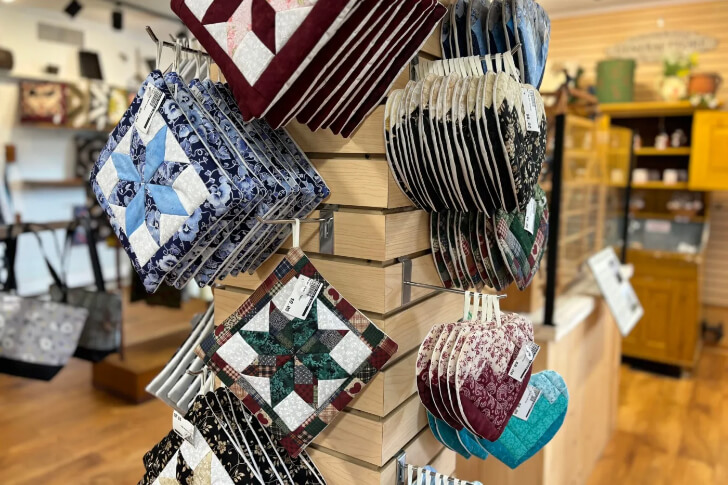
Artisans here aren’t just building local tables and barns; they’re making products people all over the globe want. Woodworkers use solid hardwoods and traditional joinery methods, such as dovetail and mortise-and-tenon, to craft furniture that lasts for decades, not just a few years. Because quality is their calling card, they command premium prices. Small shops stay lean with minimal overhead and no massive advertising budgets. So profits flow back to the artisans and their communities.
This trading skill means export markets open up. Orders come in from cities and countries far beyond their farmland. That global demand turns modest, disciplined work into reliable income and financial strength for families and neighbors.
@@@@@
Trash to Treasure
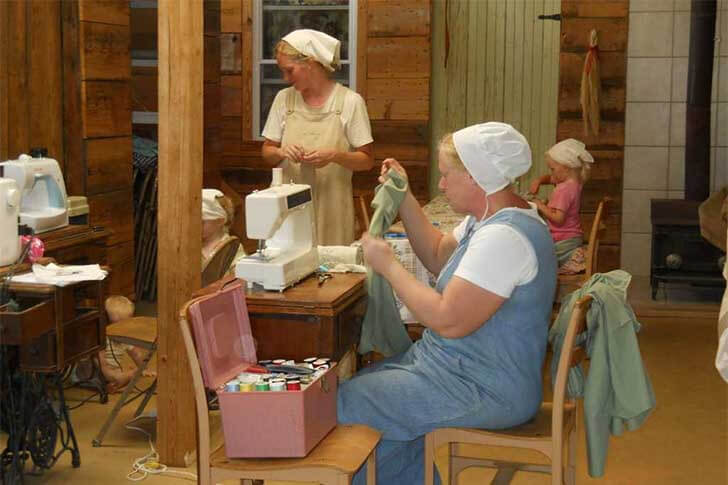
Everyone has that moment of discarding something that feels useless, but in these communities, that moment rarely occurs. Food that is close to spoiling is quickly given to animals or passed along to neighbors instead of going in the bin. Clothes that no longer fit are handed down, and when the fabric finally wears out, it is cut into strips and turned into sturdy, colorful rugs.
Even wood scraps or broken tools are saved and repurposed into something practical. By refusing to waste what still has value, families avoid unnecessary expenses and demonstrate how creativity can transform leftovers into genuine financial savings.
@@@@@
Weddings Without the Wallet Weight
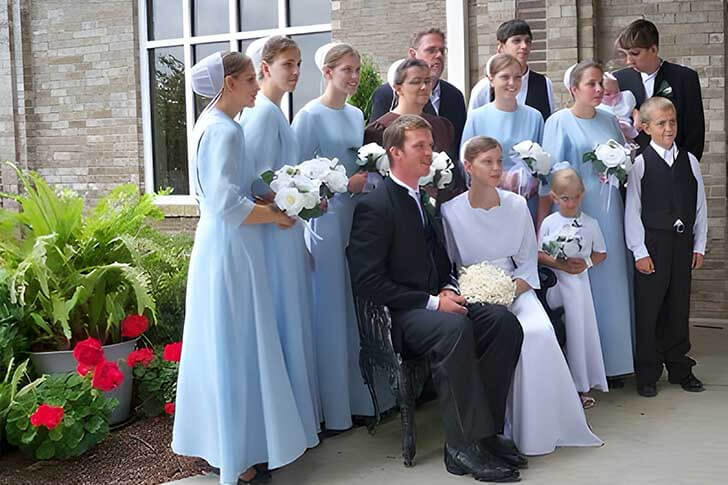
Weddings in Amish communities often resemble home gatherings more than extravagant affairs. Ceremonies usually happen in a family’s home or on their property, so there’s no paying for a fancy venue. Kitchens fill up with community cooks who bring dishes rather than hiring caterers, and unmarried young people serve; no expensive waitstaff is needed.
Decorations stay modest, and the bride often sews her own dress with garments that already align with community dress codes. Because the day leans heavily on neighborly help and shared labor, the financial burden stays low. All of this helps keep the couple’s costs down and reminds everyone that weddings can be powerful without being pricey.
@@@@@
No Honeymoon
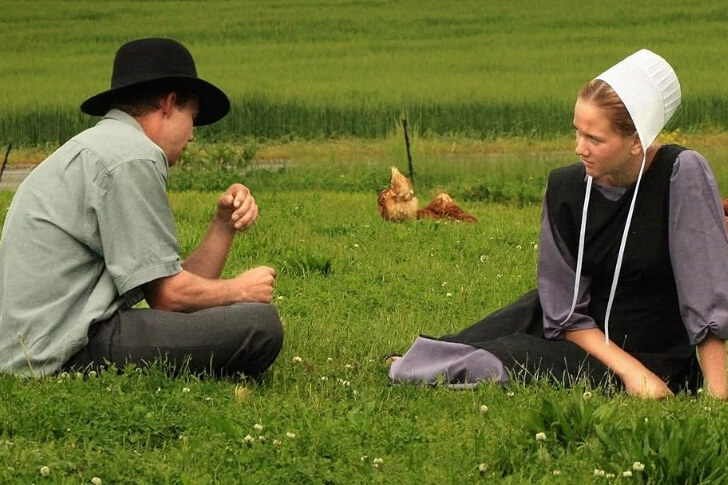
Most couples dream of jetting off to the beach after saying “I do,” but here the honeymoon looks very different. Instead of pricey resorts and airplane tickets, the newlyweds spend their first night at the bride’s parents’ home and pitch in with the wedding cleanup the very next morning. In the weeks that follow, they travel to visit relatives, staying overnight with family rather than booking hotels.
The gifts they receive are practical too—think cookware, tools, or homemade food, rather than luxury splurges. By skipping the costly getaway, couples save thousands and can focus their resources on establishing a stable and financially secure married life.
@@@@@
Bulk Buys, Big Wins
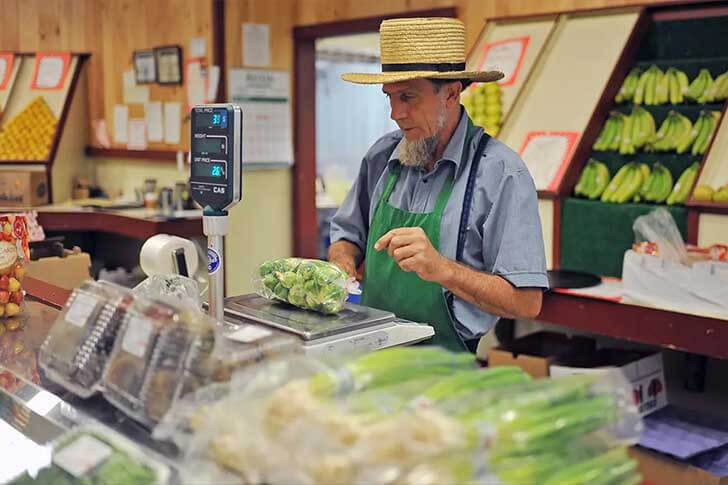
Bulk shopping is one of the most innovative ways families here stretch their money. With households often comprising seven or more children, buying small packages is simply impractical. Instead, they stock up on massive bags of flour, sugar, oats, and other staples, which significantly reduces the price per unit.
Stores in their communities cater to this need, selling essentials in large quantities at affordable rates. Rural living makes the system even easier, as spacious homes and basements provide ample storage. Fewer shopping trips also mean less spent on travel. Ultimately, bulk buying transforms everyday groceries into long-term savings and reliable efficiency.
@@@@@
Homegrown Savings
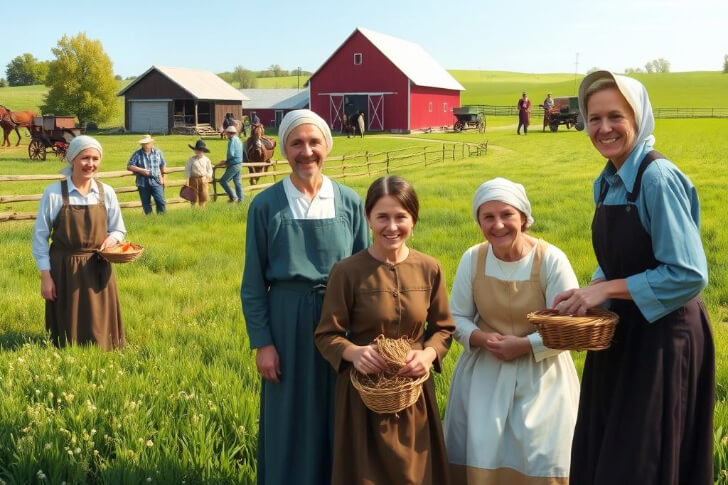
For many Amish families, food doesn’t come from a supermarket aisle but straight from their own fields and gardens. Vegetables, fruits, grains, and even livestock are grown and raised without relying on costly chemical fertilizers and pesticides. By producing most of what they eat, grocery bills shrink dramatically, and meals are fresher and healthier.
Canning and preserving extend the harvest through winter, meaning nothing goes to waste. Any surplus often finds its way to local markets, generating additional income. This self-sufficient approach not only saves money but also fosters a reliable food system. Growing organic at home turns everyday meals into long-term financial security.
@@@@@
Smart Limits, Smarter Finances
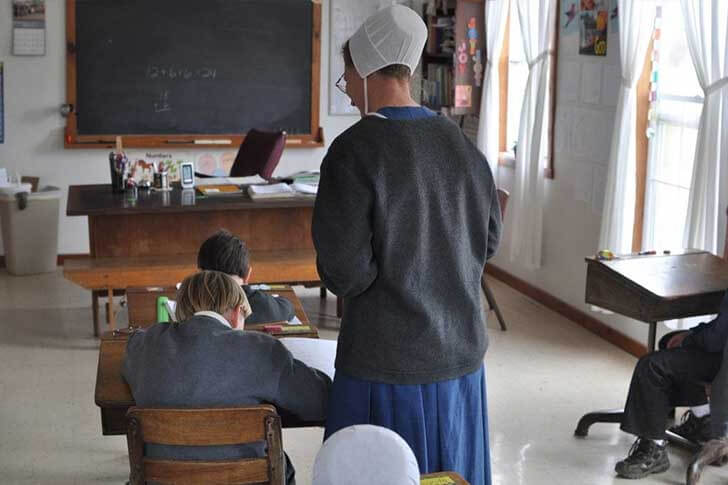
For most of us, school extends well into the teenage years, but in Amish communities, it typically stops at eighth grade. The focus is on the basics: reading, writing, math, and practical knowledge that directly applies to daily life. Once school is finished, teens step into apprenticeships, farm work, or family trades where they earn while they learn.
This path avoids the costs of running expensive high schools and saves families the burden of higher education expenses. Instead of sitting in classrooms for years, young people build practical skills early on. The result is less financial strain and more energy spent on real-world productivity.
@@@@@
Healthy Habits Make a Healthy Wallet
Consider how often your steps are tracked unintentionally. In this lifestyle, movement is an integral part of everyday life. Gardening, milking, feeding animals, chopping wood—there’s no gym membership needed. Studies show that Amish men average over 18,000 steps a day and women around 14,000. This level of activity helps keep many off the weight charts.
On the food front, many meals are sourced from home gardens, whole grains, locally raised meat, and vegetables canned or preserved for winter. Because they grow and prepare much of their own food, grocery bills shrink, processed junk fades away, and the payoff is better health, plus serious savings.
@@@@@
Three Languages Give Them More Advantage
Growing up in these communities means becoming fluent in more than one tongue. At home, Pennsylvania Dutch keep family ties strong. In church, High German connects generations through worship. And when it comes to business, whether selling handcrafted furniture, produce, or baked goods, English makes trade with outsiders smooth and effortless.
This built-in trilingual skill saves money on translators, classes, or communication barriers that might slow deals down. It also fosters trust with customers who appreciate clear and direct conversations. By moving easily between three languages, they strengthen cultural identity while gaining a practical financial edge that helps small businesses and families thrive.
@@@@@
Living by a Rulebook

Every family has its own “house rules,” but in Amish life, these rules are given an official name: the “Ordnung.” It’s the community’s guidebook, shaping everything from clothing styles to whether you can use a particular kind of buggy. Because everyone agrees to live by it, there’s no pressure to chase trends, splurge on flashy extras, or rack up debt just to keep up.
The “Ordnung” makes modest living the standard, which cuts out impulse spending before it even starts. Over time, that shared discipline turns into financial stability, proving that a clear set of rules can actually be a money-saver.
@@@@@
Meidung (Shunning) as a Financial Safeguard
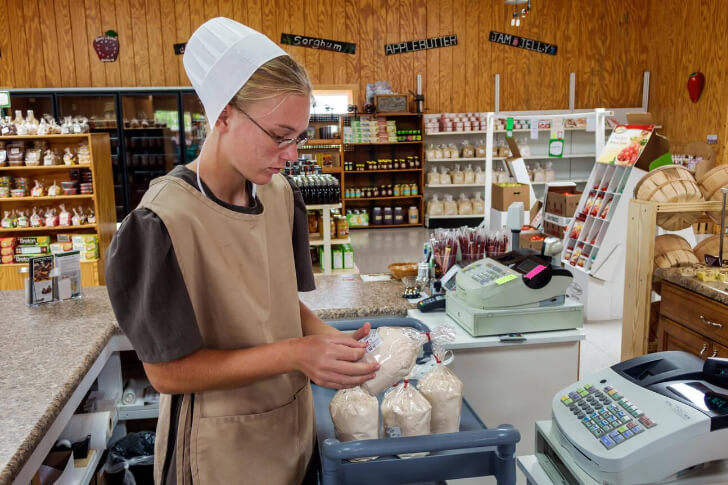
Imagine if breaking the rules meant your friends stopped eating with you or doing business with you. That’s essentially what happens with “Meidung,” the practice of shunning. When someone steps too far outside community guidelines, others limit contact; no shared meals, no trading, no everyday favors.
It may sound harsh, but it keeps trust and accountability at the center of daily life. Financially, it works as a built-in safety net. Knowing that bad decisions could cut off vital support encourages honesty, careful spending, and avoiding risky debt. Ultimately, “Meidung” benefits both relationships and the community’s overall financial well-being.
@@@@@
Rumspringa: A Test Drive for Life

Think of it like a teenager’s trial run before signing a long-term contract. Around the age of 1616, Amish youth enter “Rumspringa,” a season where they can step outside the community’s rules and experience a taste of modern life. They might try new clothes, attend social events, or explore new technology.
The surprising twist is that most eventually return, choosing to commit fully after seeing the alternatives. Financially, this benefits the community. Those who return do so with conviction, thereby reducing the risk of wasted resources or half-hearted commitment. Those who leave don’t drain communal support, which helps maintain stability.
@@@@@
Modest Living Saves a Lot
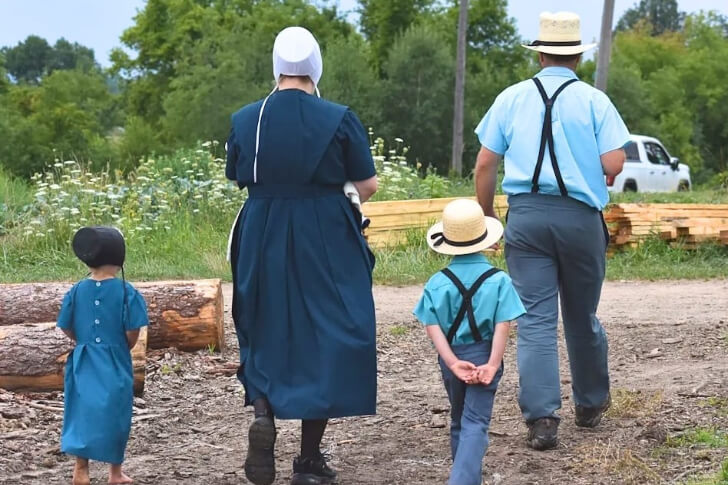
We live in a world where “look at me” often costs more than it’s worth. In Amish culture, though, simplicity is king. They wear plain clothes, skip jewelry, avoid flashy patterns, and refuse anything that draws attention or suggests status. That low-key style becomes a silent guardrail against overspending.
Without the pressure to chase trends or signal wealth, families sidestep expensive wardrobes, accessories, or social competition. Over time, avoiding these kinds of vanity means more money stays in the bank, not in the mall. Their quiet discipline reminds us that when you keep your wants small, your wallet doesn’t have to suffer.
@@@@@
Less Tech, More Cash
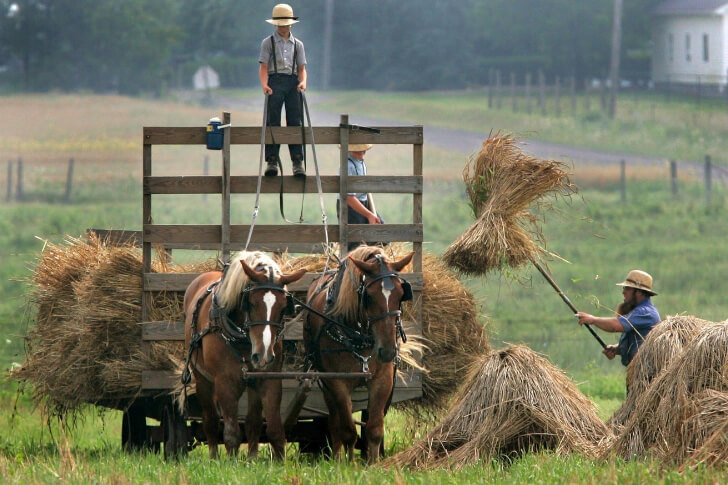
It’s tempting to grab your phone the moment you wake up, but in these communities, that impulse rarely exists. Technology isn’t banned across the board; it’s heavily limited. Many avoid things like TV, the internet, or even in-home electricity that connects to the external grid. Some tools (like computers or phones) are used for business, but are out of view in daily life.
By dialing down gadgets, there’s less money spent on upgrades, data plans, batteries, or repairs. Distractions from screens also vanish—so time spent working, farming, or helping family isn’t undercut by scrolling, social media, or impulse online purchases. Living tech-lite becomes a hidden budget tool.
@@@@@
The Saving Superpower
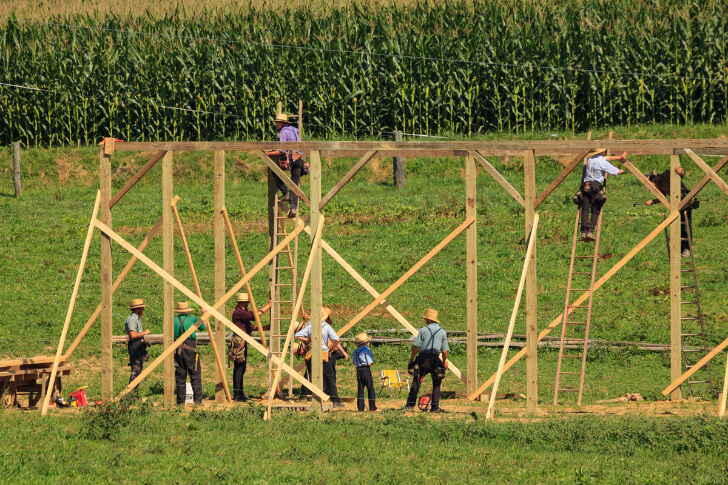
One amazing trick in this lifestyle is how everyone becomes a mini-saver by default. Households mend instead of toss, hand down goods, repair tools and appliances, and consume only what’s necessary. Those little decisions add up fast, and fewer “new” purchases mean fewer bills.
Families also build things themselves, such as homes, barns, and furniture, using community labor. That avoids contractor fees and keeps cash circulating locally. When something is needed, the money is already set aside because impulse buys are rare. This steady, careful mindset toward resources and expenses becomes a built-in financial cushion. So, savings grow quietly, consistently, and without stress.
@@@@@
Living Off-Grid
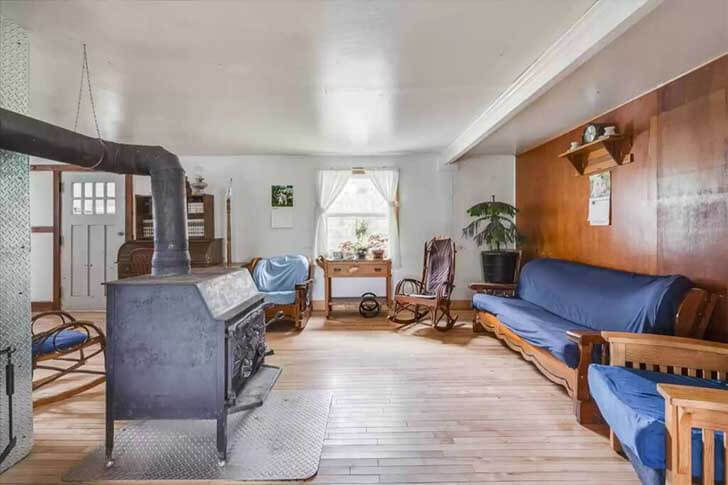
Most people panic at the thought of losing Wi-Fi for a day, but for these communities, staying off the grid is just a regular part of life. Instead of hooking up to public electric lines, they rely on smaller, practical options, such as batteries, propane, or sometimes even solar panels, for specific needs. By skipping the grid, they avoid monthly electric bills, sudden price hikes, and the endless pull of energy-hungry gadgets.
Power is used carefully and only where it truly matters, which means costs stay low and waste is almost nonexistent. Living this way proves that simplicity can translate directly into financial freedom and long-term stability.
@@@@@
Cleaning Time is Family Time
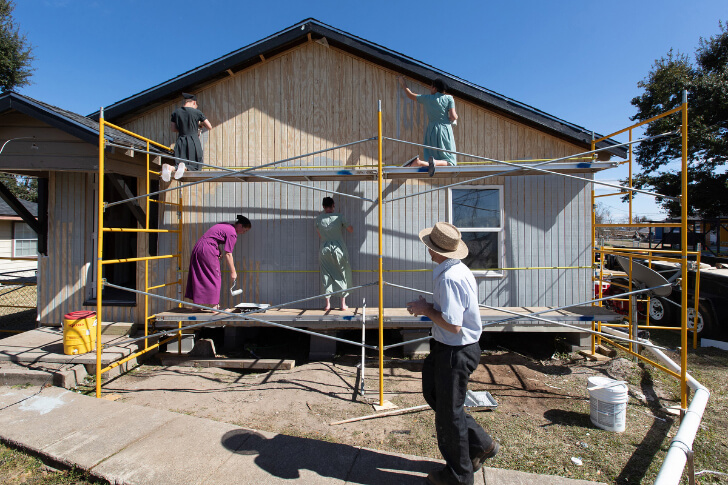
You know that satisfying feeling when everyone in the house pitches in to clean together? That’s everyday life in Amish families. From a toddler washing dishes to teens sweeping floors and elders organizing pantries, cleanup isn’t a chore; it’s a group effort that builds bonds. Kids learn responsibility early through these tasks. Often, chores are age-appropriate and tailored to each individual’s ability.
Because everyone contributes, chores don’t eat up extra budget (no hiring cleaners). That leaves more time and energy for work that brings in income. Over the long haul, this shared labor culture reduces household costs, saves on outside help, and helps the family stay lean financially.
@@@@@
No Portraits, No Problem
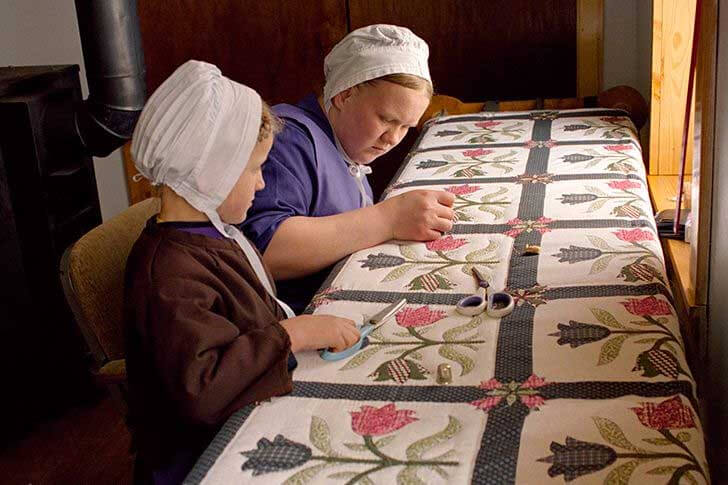
Most of us have phones crammed with selfies and family portraits, but Amish homes tell a different story. They avoid posing for photos, believing pictures promote vanity and put too much focus on the individual instead of the community. That simple choice also has financial benefits.
Without paying for professional sessions, prints, frames, or endless digital storage, they skip a whole category of expenses. Additionally, there’s no pressure to constantly update one’s appearance for the camera, which means fewer splurges on trendy clothes or makeup. Ultimately, the no-portrait policy saves money while keeping values at the forefront.
@@@@@
Sunday Suppers, Shared Savings
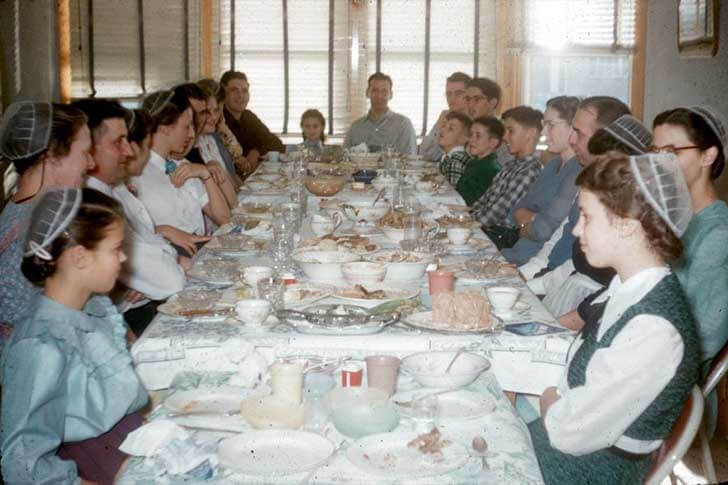
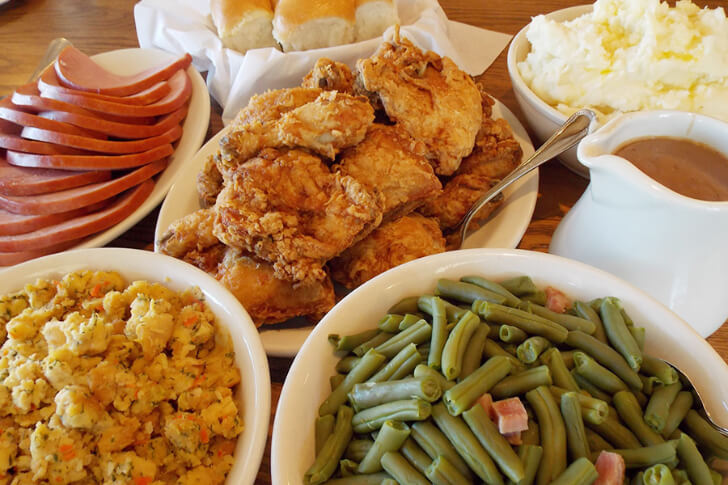
Sunday in Amish communities isn’t just about worship; it’s about gathering for a meal that feels more like a celebration. Families come together for a big supper, and everyone contributes something from their own kitchens. Instead of one host footing the entire grocery bill, the costs are spread out, and the food multiplies into a feast.
Homemade bread, garden vegetables, and a variety of pies line the tables, making the meal both hearty and affordable. The tradition strengthens bonds while keeping expenses low, proving that sharing resources benefits everyone. It’s potluck done right: more flavor, less fuss, and zero financial strain on any single family.
@@@@@
Events That Build Wealth and Trust
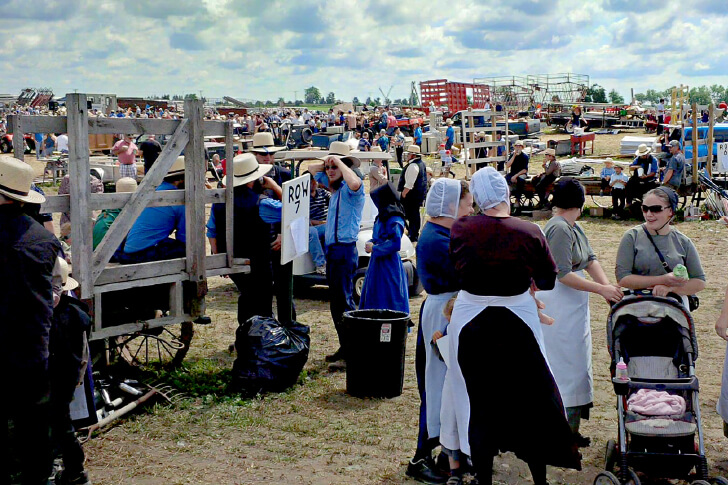
Most of us know how expensive throwing a party or fundraiser can be, but in Amish communities, those costs are rarely borne by just one family. Hosting is a shared effort where everyone shows up with food, a helping hand, or even items to auction. Quilting bees, potluck suppers, and community sales become more than social events; they’re financial teamwork in action.
When someone falls on hard times, these gatherings offer support without relying on outside aid or formal charities. School needs, medical bills, or even farm repairs can be covered through a collective effort. By spreading costs and responsibilities, community events strengthen both wallets and relationships.
@@@@@
Legacy Over Flash
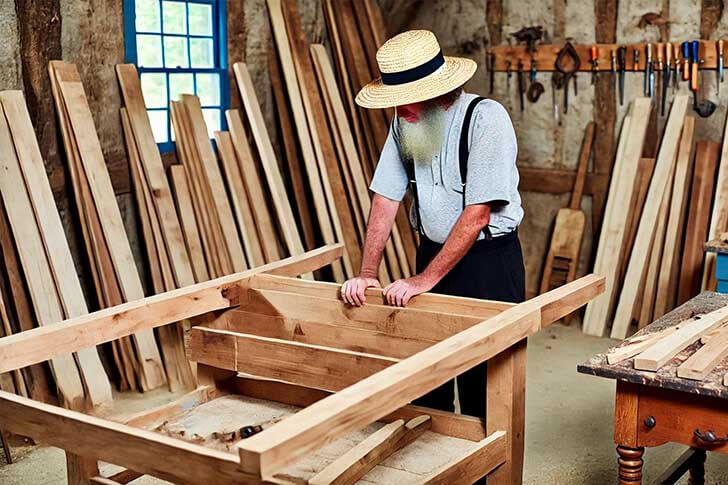
It’s easy to get caught up chasing the newest car, the bigger house, or the outfit that screams “success.” The Amish see wealth differently. For them, money isn’t about showing off; it’s about building something steady that can be passed to the next generation. Land, homes, and tools are viewed as long-term investments, not just personal trophies.
By avoiding debt, steering clear of luxury splurges, and prioritizing practical needs, they create financial security that outlasts their own lifetimes. This approach transforms wealth into a legacy rather than a status symbol, demonstrating that the real flex is stability that endures for decades.
@@@@@
Investing Where It Counts
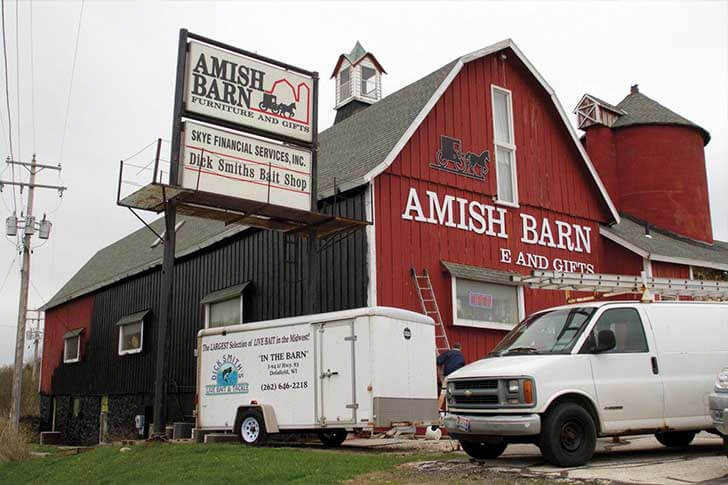
Rather than spreading their money across stocks and bonds, these communities prefer to invest their resources in land, property, and businesses they understand. Owning a farm or woodland means steady value and tangible assets you can see, touch, and use. Land also remains in the family, serving as both an income source and an inheritance.
Artisans and tradespeople reinvest in their own shops with tools, workshops, and inventory, rather than paying brokers or financial advisors. Many avoid Wall Street entirely, choosing control over volatility. By prioritizing real estate and homegrown enterprises, they protect themselves from market fluctuations and build wealth rooted in tangible assets with real utility.
@@@@@
No-Loan Zone
Getting a loan is rarely viewed as a smart move here; it’s more like a last resort. Loans, especially for business ventures, are uncommon; most borrowing is limited to mortgages for farms or property.
Because people avoid debt so strictly, there’s no worry about rolling balances, high interest, or hidden fees. If they ever do borrow, they treat it as a serious moral duty to repay promptly. Banks often view Amish borrowers as low-risk because of their strong track record. This perceived frugality protects every family from the burden of debt and keeps financial decisions driven by necessity, not desperation.
@@@@@
Barns and Bonds

When a new barn is needed, no one calls a contractor. Instead, neighbors gather with tools in hand, ready to raise walls and share the load. The result is a massive cost saving, since labor comes in the form of community spirit rather than an invoice. Beyond the financial aspect, it becomes a social event where work and laughter blend as easily as nails and wood.
By the time the roof goes on, the family has a new barn, and everyone leaves with stronger connections. It proves that pooling effort not only cuts costs but also creates real wealth in relationships.
@@@@@
Giving Forward: Community Capital
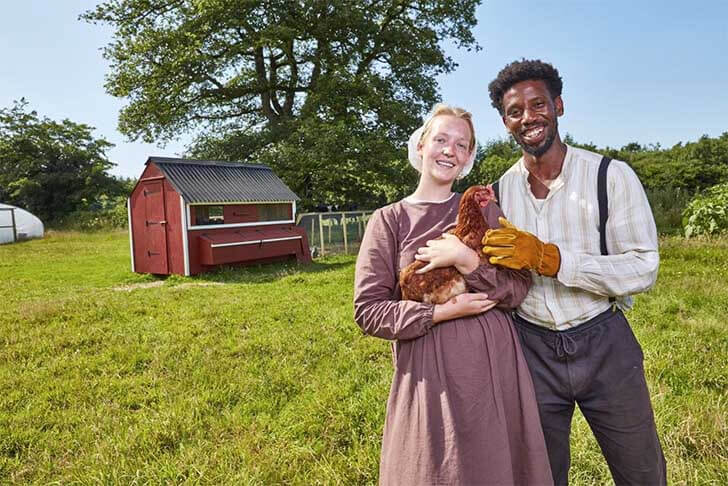
Starting in life is tough, especially when it comes to affording a home or land. In Amish communities, this hurdle is eased by wealthier members who step in with low-interest loans to help young families get started. It’s not about handouts, it’s about giving people the tools to succeed.
Once the loan is repaid, the money doesn’t disappear; it goes right back into the pot to help the next person. This cycle creates sustainability, keeps resources local, and ensures nobody is left behind. By supporting one another in this way, the community grows stronger, and wealth grows with it.
@@@@@
Fun Without the Price Tag
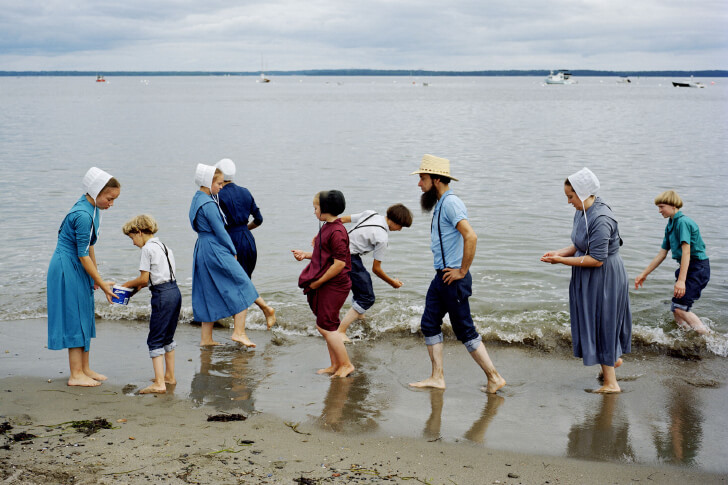
Who says saving money means life has to be boring? In Amish communities, fun looks a lot less like shopping sprees and more like adventures that cost nothing at all. Families spend weekends hiking, fishing, hunting, or simply gathering outdoors to play games together. Social events like singings, barn dances, and ice cream socials add to the mix without draining anyone’s wallet.
Because entertainment is rooted in togetherness and nature, there’s no need for pricey tickets or gadgets to feel fulfilled. The result is joy that’s affordable, meaningful, and lasting, proof that some of life’s best adventures don’t come with a receipt.
@@@@@
Gifts That Actually Help
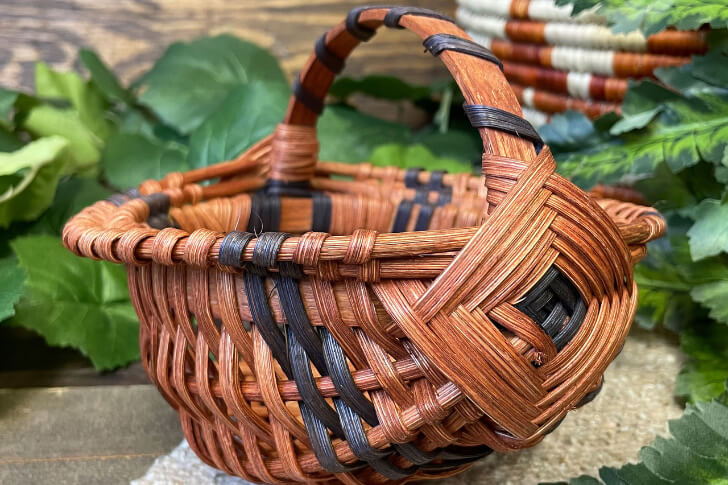
We all know the stress of finding the “perfect” gift, only to wonder if it will ever get used. In Amish communities, that problem doesn’t exist. Gifts are chosen with practicality in mind, so they almost always serve a real purpose. A neighbor might give jars of canned food, a handmade quilt, or tools that make farm work easier.
Children might receive simple wooden toys or books, while families often exchange essentials like blankets, towels, or food baskets. By keeping gifts need-based, there’s no waste, no pressure to outdo anyone, and no unnecessary expense. It’s just thoughtful generosity that truly makes life easier.
@@@@@
Beards, No Mustaches: Identity in Hair
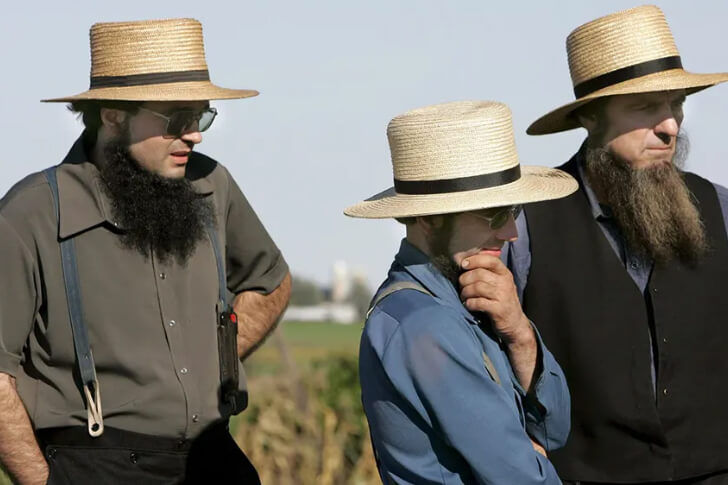
Plenty of men experiment with facial hair styles, but for Amish men, the rules are clear. After marriage, the beard grows in as a public sign of commitment, since wedding rings aren’t part of the tradition. The beard becomes both a symbol of maturity and a badge of responsibility. What you won’t see is a mustache.
Historically linked to the military, mustaches were avoided as a way to distance the community from violence, and that belief still holds strong today. Unmarried men remain clean-shaven until their wedding day, making the first beard a milestone. It’s grooming guided by values, not fashion trends.
@@@@@
No Room for “I Don’t Like That”
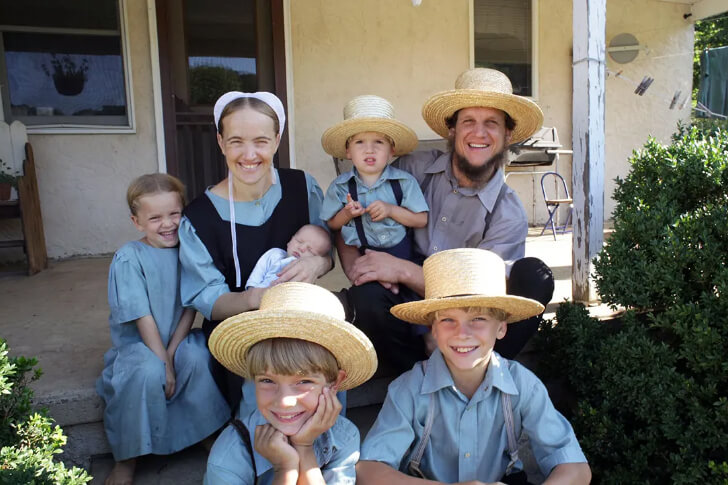
In Amish households, mealtime isn’t a restaurant-style menu; it’s family time, and everyone eats what’s on the table. There are no special requests for sugary cereals or trendy snacks, which keeps grocery shopping simple and efficient. With one meal prepared for all, food costs stay lower and the kitchen runs smoothly. Leftovers are saved and reused, so very little goes to waste.
By skipping the habit of catering to individual tastes, families avoid spending on extra ingredients or impulse buys. Over the years, this approach has trimmed expenses, taught children gratitude, and created a practical rhythm where unity at the table translates to savings in the budget.
@@@@@
Teen Earnings, Family Gains
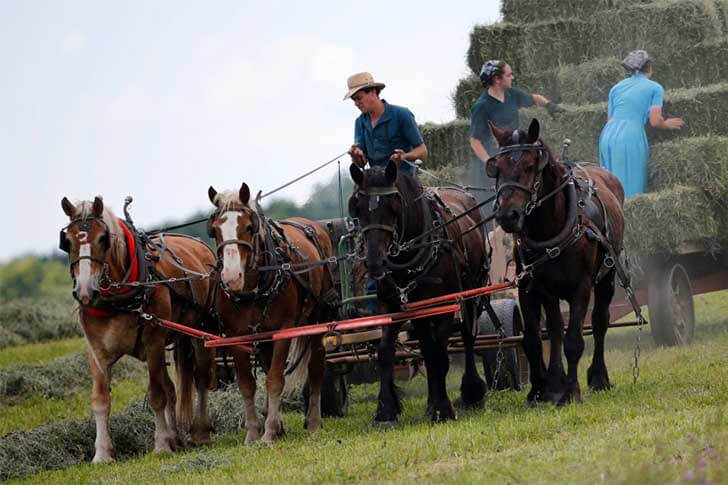
Receiving your first paycheck usually feels like freedom, but in Amish families, it comes with added responsibility. When teenagers start working, whether it’s on farms, in workshops, or with local businesses, a significant portion of their earnings is reinvested in the household. That money helps pay for food, land upkeep, or family expenses, while a smaller share is kept for personal use or savings.
Parents sometimes even invest part of it to prepare for the teen’s future. Instead of fueling impulse buys, those early paychecks strengthen the entire household. It’s a financial system that teaches responsibility, teamwork, and the value of supporting those closest to you.
@@@@@
Money in Community
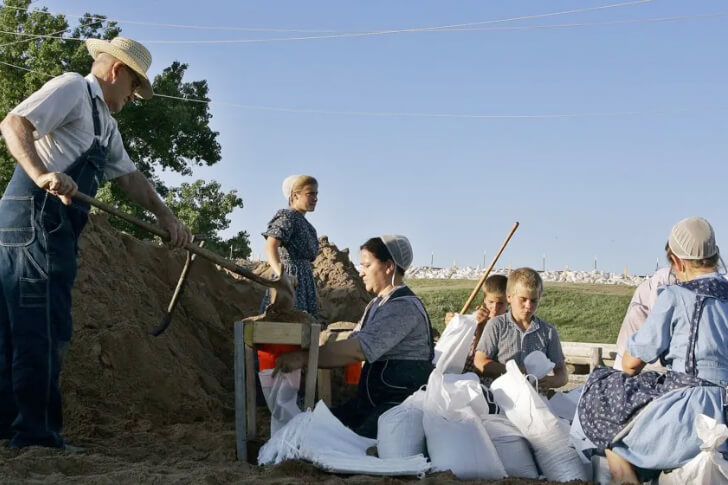
Living closely together gives the Amish more than just tradition; it also provides them with financial strength. By limiting outside influence, they avoid the constant pull of shopping trends, sales gimmicks, and the need to keep up with others.
Within the community, skills are shared, neighbors help one another, and big projects, such as barn raisings, happen without the need for expensive contractors. Money stays local, and resources stretch further because everyone pitches in. Children grow up seeing teamwork and practicality as everyday values. This way of life proves that focusing on people instead of purchases creates a kind of wealth that doesn’t shrink with the market.